
















An invisible illness is exactly what it sounds like- a medical diagnosis where you look “normal” but are suffering from internal disorders such as attention deficit hyperactivity disorder (ADHD), anxiety, autism, depression and other, more severe conditions. These illnesses can affect anyone, and hard to tell them apart.
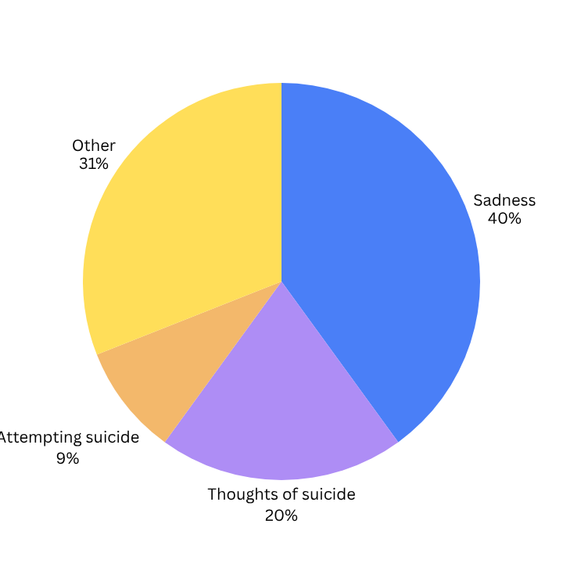
According to Adolescents and School Health, roughly 40% of students dealt with persistent feelings of sadness and hopelessness. About 20% of students have thought about committing suicide, with 9% of students actually attempting. Several of Kennedy’s staff members report experiences with students with mental health disorders.
“There is a large range of illnesses that young people might have that can influence their approach and success in school,” Kennedy High School counselor, Andy Jacobsen, said. “The impact can vary depending on the condition and how well it is managed, but even something relatively minor is still something that the student thinks about and has to deal with daily.
These conditions can impact everything from academics, athletics, social situations and in many cases, they can intrude into pretty much everything. In the more severe cases, a student can be thinking about it and dealing with it constantly, and if your mind is focused on the condition, it’s not focused on being engaged in the here and now.”
School can be hard for students who have invisible disorders. It can affect the way they work or how they participate in class. The daily effort to “act normal” causes extreme stress, anxiety and sometimes feelings of shame or guilt. These challenges contribute to students having a harder time focusing and managing their school work and social connections.
“Someone dealing with depression may struggle to find the motivation to join school activities. Outsiders might view them as uninvested in their school when that might not be the case. It can affect all aspects of school success,” Kennedy High School psychology teacher, Dana Melone, said.
While it can be hard to combat invisible illnesses, there are tools to help overcome them. These tools range from getting help from doctors to getting support from family and friends. One thing the general population can do is to be accepting of all individuals without judgment. Do not share information with others without permission, but do validate someone’s experiences.
“I think it is important to remind everyone that it is okay to talk about mental health. The more we all discuss it, the more normalized it is, and the more recognizable invisible illnesses become,” Melone said. “People should also know that you can talk to your general physician about your mental health, and they are trained to provide strategies or referrals to mental health professionals. It is important to ask questions about behavior instead of making assumptions.”
There are dozens of invisible illnesses. Whether they are common or rare within the population, without a clear diagnosis, it is difficult to find ways to help the person struggling with them.
“Most importantly, listen to the person and believe them. Don’t try to offer advice; ask how you can support them,” Kennedy High School nurse Tonya Holian said. “Be patient, respect their privacy, and if you don’t know about the illness, do some research and learn more.”